
Finnish Trust Network (FTN): फ़िनिश बैंक ID कैसे स्वीकार करें
कोई व्यवसाय Finnish Trust Network को कैसे स्वीकार करे: tunnistuspalvelu चुनना, साइन-इन से क्या मिलता है, 3 सेंट की कानूनी सीमा, AML और AMLR के तहत स्थिति, विदेशियों और नाबालिगों के लिए सीमाएँ, और दस्तावेज़ फ़ॉलबैक।
 द्वारा Alberto Rosasसह-संस्थापक और CEO, Diditअपडेट किया गया
संक्षेप में
Finnish Trust Network (FTN, luottamusverkosto) कानूनी रूप से विनियमित नेटवर्क है। इसके ज़रिए कोई व्यवसाय एक ही पहचान ब्रोकर, यानी tunnistuspalvelu, के माध्यम से फ़िनलैंड के बैंक ID और मोबाइल प्रमाणपत्र स्वीकार कर सकता है।[1] हर पंजीकृत पहचान साधन प्रदाता को अपना साधन हर पंजीकृत ब्रोकर को देना होता है। कानून प्रति पहचान प्रदाता का शुल्क 3 सेंट तक सीमित करता है।[1][2]
- साइन-इन पर नाम, जन्म तिथि और व्यक्तिगत पहचानकर्ता मिलते हैं। पोर्ट्रेट फ़ोटो नहीं मिलती।[15]
- फ़िनलैंड में बैंक ID और मोबाइल प्रमाणपत्रों को Substantial स्तर मिला है[3] और वे EU को अधिसूचित नहीं हैं।[4]
फ़िनलैंड में मज़बूत इलेक्ट्रॉनिक पहचान (vahva tunnistautuminen) का अर्थ है बैंक ID, मोबाइल प्रमाणपत्र या ID कार्ड की चिप। व्यवसाय एक tunnistuspalvelu, यानी पंजीकृत ब्रोकर, के साथ एक अनुबंध करता है और नेटवर्क के हर प्रदाता तक पहुँच जाता है।[1][3]
Finnish Trust Network एक नज़र में
यह नेटवर्क 1 मई 2017 को सभी अधिसूचित प्रदाताओं ने बनाया। यहाँ अधिसूचित का अर्थ है Traficom के राष्ट्रीय रजिस्टर में अधिसूचित प्रदाता, न कि EU की eIDAS सूची।[1] Traficom में स्थित National Cyber Security Centre Finland (NCSC-FI) यह रजिस्टर रखता है और इसकी निगरानी करता है।[1]
Finnish Trust Network
फ़िनलैंड का बैंक ID और मोबाइल प्रमाणपत्रों का नेटवर्क
कितने फ़िनिश लोग मज़बूत पहचान का उपयोग करते हैं
5 अक्टूबर 2026 तक हमें Traficom या Digital and Population Data Services Agency (DVV) से उपयोगकर्ताओं या पहचानों की 2025 की कोई आधिकारिक कुल संख्या नहीं मिली।
स्रोत: Suomi.fi समाचार, Traficom रजिस्टर और Finlex।[3][2]
16 जून 2026 के रजिस्टर में साधन के रूप में बैंक, तीन मोबाइल ऑपरेटरों के प्रमाणपत्र, एक वॉलेट ऐप और DVV का नागरिक प्रमाणपत्र सूचीबद्ध हैं।[3] मोबाइल प्रमाणपत्र के लिए इन तीन ऑपरेटरों में से किसी एक की सदस्यता ज़रूरी है।[14]
- 1 सितंबर 2009अधिनियम लागूमज़बूत इलेक्ट्रॉनिक पहचान पर अधिनियम 617/2009।
- 1 मई 2017ट्रस्ट नेटवर्कप्रदाताओं को हर पंजीकृत ब्रोकर को सेवा देनी होगी।
- 25 अप्रैल 2025कार्ड अधिसूचितनागरिक प्रमाणपत्र eIDAS के तहत उच्च (High) स्तर पर अधिसूचित है।
- 4 सितंबर 2026नया शीर्षकसंशोधन 811/2026 अधिनियम का नाम बदलता है।
- 1 मार्च 2026लाइसेंस आवेदनजुआ लाइसेंस के लिए आवेदन खुलते हैं।
- 1 जुलाई 2027जुआलाइसेंस प्राप्त जुआ शुरू हो सकता है। हर तरह के जुए के लिए पहचान ज़रूरी है।
अधिनियम से लाइसेंस प्राप्त जुए तक।[2][1][4][8]
उपयोगकर्ता क्या देखता है
उपयोगकर्ता एक बैंक या मोबाइल प्रमाणपत्र चुनता है और उसी सेवा की अपनी स्क्रीन पर साइन इन करता है। बैंक के अनुसार इसमें यूज़रनेम और पासवर्ड के साथ ऐप में स्वीकृति, की-कोड सूची या अलग कोड डिवाइस लगता है।[3][15]
सत्यापन का तरीका चुनें
अपनी मौजूदा eID का उपयोग करें।
Finnish Trust Network
इसके बजाय पहचान दस्तावेज़ का उपयोग करें
1उपयोगकर्ता आपके साइन-अप में Finnish Trust Network चुनता है।
अपना बैंक चुनें
या मोबाइल प्रमाणपत्र से साइन इन करें।
आपका बैंक
मोबाइल प्रमाणपत्र
2ब्रोकर बैंक चुनने की सूची दिखाता है।[15]
अपने बैंक में साइन इन करें
अपना यूज़रनेम और पासवर्ड दर्ज करें।
3उपयोगकर्ता बैंक के अपने पेज पर साइन इन करता है।[3]
साइन-इन स्वीकृत करें
या अपनी की-कोड सूची या कोड डिवाइस से कोड टाइप करें।
4उपयोगकर्ता बैंक ऐप में स्वीकृति देता है (ऐप वाला तरीका दिखाया गया है)।[3]
साझा करने की पुष्टि करें
आपका विवरण उसी सेवा को जाता है जहाँ से आप आए थे।
5उपयोगकर्ता बैंक या ब्रोकर की ओर साझा करने की सहमति देता है (उदाहरण के तौर पर) और वापस लौटता है।[15]
मोबाइल प्रमाणपत्र (Mobiilivarmenne) SIM पर रहता है, इसलिए चरण 2 के बाद इसका अपना अलग रास्ता है।[3]
- उपयोगकर्ता चयन स्क्रीन पर मोबाइल प्रमाणपत्र चुनता है।
- उपयोगकर्ता अपना फ़ोन नंबर टाइप करता है।[14]
- उपयोगकर्ता फ़ोन पर स्वयं चुने गए PIN से अनुमोदन करता है।[14]
- सहमति और वापसी, चरण 5 की तरह।
ऑपरेटरों का दावा है कि 99% सेवाएँ मोबाइल प्रमाणपत्र स्वीकार करती हैं (mobiilivarmenne.fi, ऑपरेटरों द्वारा चलाई जाने वाली साइट)।[14]
शुरू से अंत तक एक सामान्य रीडायरेक्ट eID साइन-इन। FTN के लिए बैंक के चरण इसी के भीतर चलते हैं।
Finnish Trust Network किसी व्यवसाय को क्या लौटाता है
ब्रोकर एक हस्ताक्षरित पहचान वापस भेजता है: नाम, जन्म तिथि और व्यक्तिगत पहचानकर्ता, जब चुनी गई विधि इन्हें लौटाती है।[15]
| विशेषता | कब | टिप्पणियाँ |
|---|---|---|
| पूरा नाम | लौटाया जाता है | बैंक या ऑपरेटर के रिकॉर्ड से[15] |
| जन्म तिथि | जब लौटाया जाए | आयु सिद्ध करता है[15] |
| व्यक्तिगत पहचान कोड (henkilötunnus) | जब लौटाया जाए | फ़िनलैंड का राष्ट्रीय पहचानकर्ता[15] |
| इलेक्ट्रॉनिक पहचान संख्या (SATU) | नागरिक प्रमाणपत्र | 8 अंक और एक चेक अक्षर। इससे जन्म तिथि का पता नहीं चलता[12] |
| पता | डिफ़ॉल्ट रूप से कभी नहीं | कोई दूसरा स्रोत तय करें |
| पोर्ट्रेट | कभी नहीं | परिणाम का हिस्सा नहीं[15] |
पूरे हुए FTN साइन-इन में कौन-सा डेटा आता है।[15][12]
ID कार्ड में कोई व्यक्तिगत पहचान कोड, जन्म तिथि या पता संग्रहीत नहीं होता, केवल SATU होता है। इसलिए ब्रोकर जनसंख्या रजिस्टर के ज़रिए इस पहचानकर्ता को henkilötunnus से मिलाता है।[12]
सावधान रहें
न पता, न चेहरे की तस्वीर। यदि आपकी ड्यू डिलिजेंस को इनमें से किसी की आवश्यकता है, तो पहले दिन से एक दूसरा स्रोत और एक लाइवनेस व फेस चरण जोड़ें।[15]
Vahva tunnistautuminen और कानून: आश्वासन स्तर और कानूनी स्थिति
लागू कानून अधिनियम 617/2009 है। 4 सितंबर 2026 के संशोधन 811/2026 के बाद से इसका शीर्षक "Laki vahvasta sähköisestä tunnistamisesta" है (पहले "...ja sähköisistä luottamuspalveluista"), यानी मज़बूत इलेक्ट्रॉनिक पहचान पर अधिनियम।[2]
| कानूनी दस्तावेज़ | FTN के लिए इसका अर्थ |
|---|---|
| अधिनियम 617/2009, § 12 c | पहचान साधन प्रदाता का शुल्क, जिसे ब्रोकर चुकाता है, प्रति अग्रेषित पहचान 3 सेंट तक सीमित करता है, जिसमें सारा पहचान डेटा शामिल है[2] |
| अधिनियम 617/2009, § 17 | पहचान साधन प्रदाता की प्रारंभिक पहचान के लिए केवल वैध EEA, स्विस या सैन मैरिनो पासपोर्ट या ID कार्ड, या DVV डिजिटल पहचान प्रमाणपत्र पर भरोसे की अनुमति देता है। साथ ही साधन प्रदाताओं के लिए यह अनिवार्य करता है कि वे अन्य प्रदाताओं के उसी या निचले स्तर के मज़बूत साधन स्वीकार करें[2] |
| अधिसूचित योजनाओं की EU सूची | केवल ID कार्ड पर मौजूद नागरिक प्रमाणपत्र, उच्च, 25 अप्रैल 2025, C/2025/2448[4] |
| अधिनियम 444/2017, अध्याय 3, § 11 | दूरस्थ पहचान: एक विकल्प 617/2009 के तहत मज़बूत पहचान साधन है[5] |
| अधिनियम 444/2017, अध्याय 3, § 1(12) | eIDAS पहचान साधनों से प्राप्त डेटा को ग्राहक ड्यू डिलिजेंस डेटा के रूप में संग्रहीत किया जा सकता है[5] |
| विनियम (EU) 2024/1624, अनुच्छेद 22(6)(b) | पर्याप्त या उच्च स्तर के eID साधन, 10 जुलाई 2027 से[6] |
धन शोधन निवारण अधिनियम FTN साधनों का सीधे उल्लेख करता है।
अध्याय 3, § 11Rahanpesulaki 444/2017, 818/2026 द्वारा यथासंशोधित
"todentaa asiakkaan henkilöllisyys vahvasta sähköisestä tunnistamisesta annetussa laissa (617/2009) tarkoitetulla tunnistusvälineellä"
स्रोत: Finlex, 444/2017[5]
हिंदी अनुवाद में, दूरस्थ पहचान का एक विकल्प: "मज़बूत इलेक्ट्रॉनिक पहचान पर अधिनियम (617/2009) में उल्लिखित पहचान साधन से ग्राहक की पहचान सत्यापित करना"।[5]
10 जुलाई 2027 से EU धन शोधन निवारण विनियम (AMLR) लागू होगा। इसका अनुच्छेद 22(6)(b) "ऐसे इलेक्ट्रॉनिक पहचान साधन स्वीकार करता है जो आश्वासन स्तर 'पर्याप्त' या 'उच्च' के संबंध में विनियम (EU) No 910/2014 की आवश्यकताओं को पूरा करते हैं"।[6] धन शोधन निवारण प्राधिकरण (AMLA) के ड्यू डिलिजेंस मानकों का अंतिम मसौदा 30 सितंबर 2026 को आयोग को भेजा गया। यह अभी कानून नहीं है। इसके अनुसार eID साधन पर्याप्त या उच्च स्तर पूरा करने पर मान्य हैं, "चाहे वे अधिसूचित हों या नहीं"। मसौदे में यह भी कहा गया है कि "इसमें यूरोपीय डिजिटल पहचान वॉलेट शामिल हैं" (EUDI वॉलेट)।[7] हमारी व्याख्या: पर्याप्त स्तर का FTN साइन-इन इसमें फिट बैठता है, चाहे वह अधिसूचित हो या नहीं।
नोट
EU प्रमाणन में देरी के बाद DVV का अपना Suomi.fi Wallet ऐप अब 2027 के लिए नियोजित है। अक्टूबर 2025 की एक सरकारी योजना में 2026 के अंत की बात कही गई थी।[13]
कैसे जुड़ें: tunnistuspalvelu का चयन
16 जून 2026 के रजिस्टर में चार केवल-ब्रोकर और सात ऐसे प्रदाता सूचीबद्ध हैं जो पहचान के साधन जारी भी करते हैं और ब्रोकर का काम भी करते हैं: बैंक, तीन मोबाइल ऑपरेटर और एक वॉलेट ऐप प्रदाता।[3]
अधिकांश व्यवसाय
किसी पंजीकृत ब्रोकर से अनुबंध करें
- सभी प्रदाताओं के लिए एक ही अनुबंध
- प्रदाताओं के अनुबंध ब्रोकर के पास रहते हैं
- प्रति साइन-इन मूल्य, ब्रोकर द्वारा तय
अधिनियम 617/2009, ट्रस्ट नेटवर्क
बड़ी मात्रा
स्वयं ब्रोकर के रूप में पंजीकरण करें
- NCSC-FI को सूचित करें और रजिस्टर में दर्ज हों
- ऑडिट रिपोर्ट जमा करें, जो अधिकतम दो वर्ष तक मान्य रहती हैं
- प्रदाताओं को आपको सीमित शुल्क पर सेवा देनी होगी
NCSC-FI की निगरानी में
सार्वजनिक क्षेत्र
Suomi.fi पहचान
- प्राधिकरणों के लिए DVV द्वारा संचालित
- निजी कंपनियों के लिए नहीं
DVV
फ़िनलैंड की सशक्त पहचान तक पहुँचने के तीन रास्ते।[1][2][3]
कानून केवल प्रदाता के शुल्क की सीमा तय करता है।[2] ब्रोकर शुल्क बाज़ार तय करता है और 5 अक्टूबर 2026 तक लीड टाइम प्रकाशित नहीं हैं। NCSC-FI सेवाओं पर रोक लगा सकता है, इसलिए वर्तमान रजिस्टर जाँचें।[1]
उपयोगकर्ता साइन इन करता है और स्वीकृति देता है
ब्रोकर के माध्यम से FTN साइन-इन। चरण 5 के लिए प्रदाता का शुल्क कानून द्वारा सीमित है।[2]
उपयोग के मामले और क्षेत्रीय नियम
| उपयोग का मामला | FTN से आपको क्या मिलता है | इसके पीछे का नियम |
|---|---|---|
| KYC और AML ऑनबोर्डिंग | मज़बूत साधन से रिमोट पहचान | अधिनियम 444/2017, अध्याय 3 § 11[5] |
| ऑनलाइन जुआ | पंजीकरण के समय पहचान और आयु | 1 जुलाई 2027 से नया जुआ अधिनियम[8] |
| आयु जाँच | हस्ताक्षरित जन्म तिथि | ब्रोकर का परिणाम[15] |
| हस्ताक्षर | आईडी कार्ड का नागरिक प्रमाणपत्र कानूनी प्रभाव के साथ हस्ताक्षर करता है | DVV[12] |
जुआ सबसे बड़ा बदलाव है। लाइसेंस आवेदन 1 मार्च 2026 को खुले। 1 जुलाई 2027 से "आयु सत्यापित करने के लिए सभी जुए में पहचान आवश्यक होगी"। आयु सीमा 18 वर्ष है।[8]
सीमाएँ और वैकल्पिक उपाय
फ़िनिश बैंक आईडी के लिए किसी फ़िनिश बैंक में खाता चाहिए। आमतौर पर फ़िनिश व्यक्तिगत पहचान कोड भी चाहिए।
- विदेशी नागरिक: Finnish Authenticator ऐप केवल चुनिंदा सार्वजनिक सेवाओं के लिए है।[11] निवास परमिट वाले निवासी नागरिक प्रमाणपत्र प्राप्त कर सकते हैं।[12]
- नाबालिग: बैंक अपने आयु नियम स्वयं तय करते हैं (FAQ देखें)।
आउटेज होते हैं। 17 सितंबर 2025 को 04:00 से 08:23 तक Suomi.fi पहचान में बैंक आईडी और मोबाइल सर्टिफिकेट विफल रहे।[10] धोखाधड़ी दूसरी सीमा है। Finance Finland (Finanssiala) के अनुसार, अपराधियों ने 2025 में फ़िनलैंड के लोगों से EUR 148 मिलियन हड़पने की कोशिश की। बैंकों ने EUR 75.5 मिलियन रोके या वापस प्राप्त किए और EUR 72.5 मिलियन का नुकसान हुआ। सेफ-अकाउंट घोटालों (turvatilihuijaus) में कॉल करने वाले खुद को बैंक बताते हैं। इनसे EUR 38.4 मिलियन का नुकसान हुआ।[9]
बाकी सभी के लिए वैकल्पिक उपाय दस्तावेज़ जाँच है: NFC (near-field communication) के ज़रिए पासपोर्ट या आईडी कार्ड की चिप पढ़ें, लाइवनेस जाँचें और चेहरे का मिलान करें (देखें NFC eID सत्यापन और चिप सुरक्षा)।
1फ़िनिश उपयोगकर्ताओं को पहले FTN पेश करें
अपने ब्रोकर के माध्यम से बैंक आईडी या मोबाइल सर्टिफिकेट।
उपयोगकर्ता FTN साइन-इन पूरा करता है
हस्ताक्षरित परिणाम स्वीकार करें
नाम, जन्म तिथि, पहचान कोड।
दस्तावेज़ से सत्यापन करें
NFC चिप रीडिंग, लाइवनेस जाँच और फेस मैच।
2पता किसी अन्य स्रोत से जोड़ें
FTN यह जानकारी नहीं देता।
3स्क्रीनिंग करें और निर्णय लें
प्रतिबंध और PEP जाँच, फिर आपका निर्णय।
पहले eID, विकल्प के रूप में दस्तावेज़, और अंत में एक निर्णय।
Finnish Trust Network एकीकरण चेकलिस्ट: tunnistuspalvelu, डेटा और वैकल्पिक तरीका
- Traficom के मौजूदा रजिस्टर से एक ब्रोकर चुनें।[3]
- आपको जिन विशेषताओं की ज़रूरत है, उनकी सूची बनाएँ और पते का एक स्रोत तय करें।
- दोनों बैंक आईडी और मोबाइल प्रमाणपत्र, सभी विकल्प दें।
- परिणाम को ड्यू डिलिजेंस साक्ष्य के रूप में संग्रहीत करें (अधिनियम 444/2017, अध्याय 3, § 1(12))।[5]
- जिन उपयोगकर्ताओं के पास FTN नहीं है, उनके लिए दस्तावेज़ वाला वैकल्पिक तरीका तैयार करें।
- सफलता, रद्दीकरण, समय-सीमा समाप्ति और वैकल्पिक तरीके का परीक्षण करें।
- जुए के लिए आयु जाँच की योजना 1 जुलाई 2027 से पहले बनाएँ।[8]
- 10 जुलाई 2027 से पहले अपनी नीति को AMLR के अनुसार दोबारा जाँचें।[6]
Didit Finnish Trust Network सत्यापन में कैसे मदद करता है
Finnish Trust Network, Didit पर लाइव है। उपयोगकर्ता इसे होस्टेड फ़्लो या SDK में चुनता है, उसी फ़ोन पर या कंप्यूटर से QR कोड के ज़रिए। Didit कभी PIN या बैंक पासवर्ड नहीं माँगता।
इसे कंसोल में Workflows, ID Verification, Countries, Finland, Wallets accepted के अंतर्गत चालू करें, या workflows API (methods.FIN.wallet) से।
जिन उपयोगकर्ताओं के पास FTN नहीं है, उनके लिए उसी वर्कफ़्लो में दस्तावेज़ जाँच का विकल्प रहता है, साथ में NFC चिप रीडिंग ($0.15), लाइवनेस और फ़ेस मैच। पूरी KYC जाँच की लागत $0.33 है; AML स्क्रीनिंग की $0.20। केवल पूरे हुए FTN साइन-इन का ही बिल बनता है, $0.25 की दर से (मूल्य निर्धारण)। Didit जो भी eID चलाता है, वह eID इंटीग्रेशन पेज पर सूचीबद्ध है।
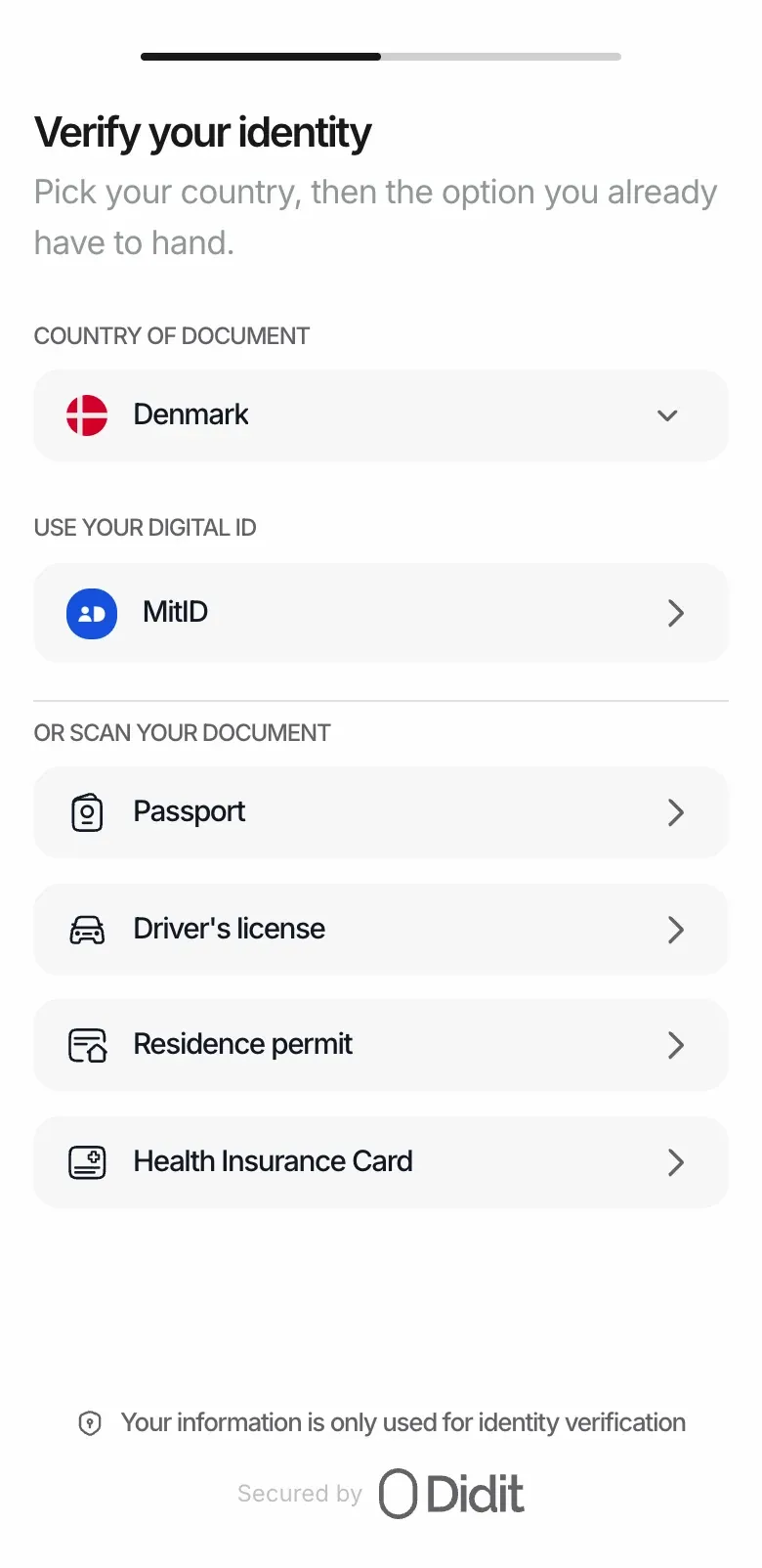
उपयोगकर्ता Didit फ़्लो में Finnish Trust Network चुनता है।
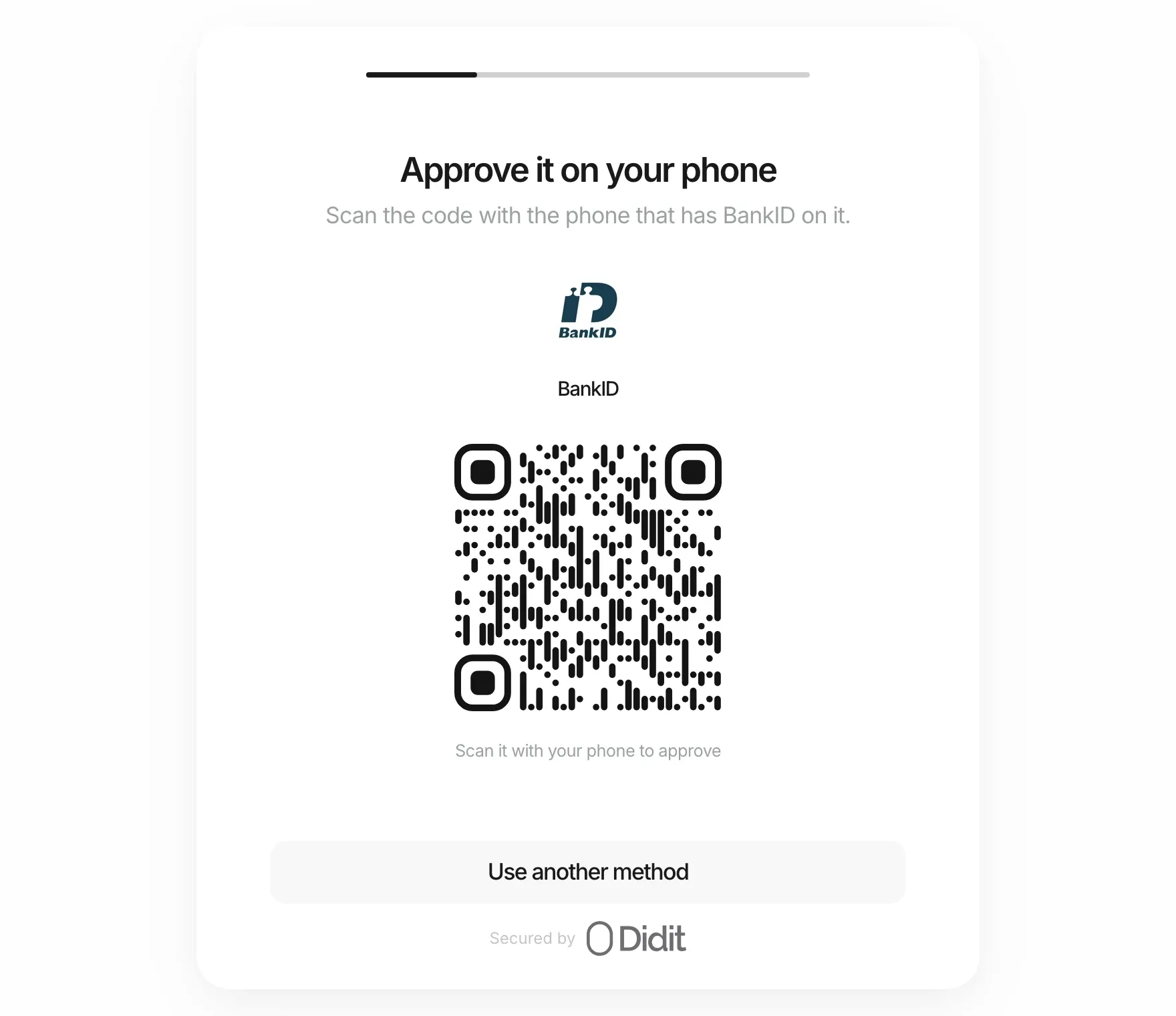
कंप्यूटर पर, एक QR कोड साइन-इन को फ़ोन पर भेज देता है।
पूरा हुआ FTN साइन-इन आपके वर्कफ़्लो के भीतर पहचान का एक चरण है, पूरी ऑनबोर्डिंग नहीं। इससे आपको पूरा नाम, जन्म तिथि, फ़िनिश व्यक्तिगत पहचान कोड, आश्वासन स्तर (Substantial के रूप में चिह्नित) और हस्ताक्षर जाँच मिलती है। इससे आपको पता, फ़ोटो या जोखिम निर्णय नहीं मिलता।
Didit प्रदान करता है
- होस्टेड फ़्लो या SDK में Finnish Trust Network साइन-इन
- FTN के बिना उपयोगकर्ताओं के लिए दस्तावेज़ वाला रास्ता
- हस्ताक्षरित एट्रिब्यूट और हर जाँच का साक्ष्य
आपके पास रहता है
- जोखिम आकलन और नीतियाँ
- ऑनबोर्डिंग का निर्णय
- ग्राहक के पते का स्रोत
आज ही अपने साइन-अप में Finnish Trust Network स्वीकार करें
FTN और दस्तावेज़ वाला रास्ता, एक ही वर्कफ़्लो में।
मुख्य बातें
- एक पंजीकृत ब्रोकर से हर फ़िनिश बैंक ID और मोबाइल प्रमाणपत्र तक पहुँच मिलती है।
- प्रदाता का शुल्क कानून द्वारा 3 सेंट पर सीमित है। ब्रोकर के शुल्क प्रदाता और अनुबंध के अनुसार अलग-अलग होते हैं। मौजूदा मूल्य जाँच लें।
- न कोई पता लौटता है, न कोई पोर्ट्रेट फ़ोटो।
- FTN Substantial स्तर का है, EU को अधिसूचित नहीं है, और फ़िनलैंड के AML अधिनियम में इसका नाम है।
अक्सर पूछे जाने वाले प्रश्न
Finnish Trust Network क्या है?
कानून द्वारा विनियमित एक नेटवर्क, जो 1 मई 2017 को बना। इसमें हर पंजीकृत पहचान साधन प्रदाता को अपने साधन हर पंजीकृत ब्रोकर को उपलब्ध कराने होते हैं। कोई व्यवसाय एक ब्रोकर के साथ अनुबंध करता है और सभी तक पहुँच जाता है।[1]
FTN से एक पहचान की लागत कितनी है?
कानून पहचान साधन प्रदाता की फ़ीस को हर आगे भेजी गई पहचान पर 3 सेंट तक सीमित करता है। इसमें सारा पहचान डेटा शामिल है। इससे अलग, ब्रोकर शुल्क प्रदाता और अनुबंध के अनुसार अलग-अलग होते हैं; मौजूदा कीमतें जाँच लें।[2] Didit $0.25 लेता है।
व्यवसाय को कौन सा डेटा मिलता है?
नाम, जन्म तिथि और व्यक्तिगत पहचान कोड (henkilötunnus), जब चुनी गई विधि इन्हें लौटाती है। डिफ़ॉल्ट रूप से कोई पता नहीं मिलता और कोई पोर्ट्रेट फ़ोटो नहीं मिलती।[15]
क्या FTN eIDAS-अधिसूचित है?
नहीं। फ़िनलैंड की EU को अधिसूचित एकमात्र योजना ID कार्ड का नागरिक प्रमाणपत्र है, जो 25 अप्रैल 2025 से High स्तर पर है।[4] बैंक ID और मोबाइल प्रमाणपत्र फ़िनिश कानून के तहत Substantial स्तर के हैं।[3]
क्या फ़िनलैंड में AML ग्राहक ड्यू डिलिजेंस के लिए FTN का उपयोग किया जा सकता है?
हाँ। धन शोधन निवारण अधिनियम का अध्याय 3, धारा 11, जो दूरस्थ पहचान से संबंधित है, अधिनियम 617/2009 के तहत मज़बूत पहचान साधन से ग्राहक की पहचान सत्यापित करने को एक विकल्प के रूप में सूचीबद्ध करता है।[5]
क्या AMLR के तहत KYC के लिए FTN तब भी काम करेगा?
अनुच्छेद 22(6)(b) 10 जुलाई 2027 से उन eID साधनों को स्वीकार करता है जो eIDAS के Substantial या High स्तर की आवश्यकताएँ पूरी करते हैं। FTN साधन EU को अधिसूचित नहीं हैं, इसलिए केवल यह अनुच्छेद इस प्रश्न का निपटारा नहीं करता। AMLA के अंतिम मसौदा मानक, जो अभी कानून नहीं बने हैं, गैर-अधिसूचित साधनों को स्वीकार करते हैं, इसलिए हमारी समझ में FTN इसमें फिट बैठता है।[6][7]
क्या विदेशी नागरिक Finnish Trust Network का उपयोग कर सकते हैं?
केवल फ़िनिश बैंक क्रेडेंशियल या फ़िनिश मोबाइल प्रमाणपत्र के साथ। Finnish Authenticator ऐप केवल चुनी हुई सार्वजनिक सेवाओं को कवर करता है, इसलिए निजी सेवाओं के लिए कोई दूसरा रास्ता चाहिए, जैसे दस्तावेज़ जाँच।[11]
क्या नाबालिग FTN से साइन इन कर सकते हैं?
कुछ कर सकते हैं। बैंक अपनी आयु संबंधी नियम खुद तय करते हैं। S-Pankki के अनुसार, वह 12 वर्ष की आयु से बैंक ID जारी करता है। पहचान पत्र पर मौजूद नागरिक प्रमाणपत्र के लिए हर अभिभावक की सहमति ज़रूरी है।[12]
FTN इंटीग्रेशन में कितना समय लगता है?
5 अक्टूबर 2026 तक, लीड टाइम प्रकाशित नहीं हैं। ब्रोकर के साथ काम करने पर, लीड टाइम उस ब्रोकर का अपना ऑनबोर्डिंग शेड्यूल तय करता है। खुद ब्रोकर बनने के लिए NCSC-FI को सूचित करना और ऑडिट रिपोर्ट जमा करना होता है। ये रिपोर्ट अधिकतम दो वर्ष तक मान्य रहती हैं, इसलिए दोबारा ऑडिट की योजना बनाएँ।[1]
FTN इंटीग्रेशन का परीक्षण कैसे करें?
परीक्षण की पहुँच उसी ब्रोकर के माध्यम से मिलती है जिसके साथ आपका अनुबंध है। ब्रोकर रजिस्टर सार्वजनिक है, लेकिन 5 अक्टूबर 2026 तक हमें कोई प्रकाशित साझा परीक्षण परिवेश नहीं मिला।[1][3] वास्तविक साइन-इन चलाएँ जिनमें सफलता, रद्द करना, समय-सीमा समाप्ति और दस्तावेज़ फ़ॉलबैक शामिल हों, क्योंकि सैंडबॉक्स का परिणाम यह साबित नहीं करता कि वास्तविक बैंक साइन-इन काम करेगा।[15]
स्रोत
- इलेक्ट्रॉनिक पहचान, National Cyber Security Centre Finland, Traficom.
- Laki vahvasta sähköisestä tunnistamisesta 617/2009, Finlex, 811/2026 के बाद का समेकित पाठ।
- पहचान सेवाओं का रजिस्टर, Traficom, 16 जून 2026.
- eIDAS के तहत पूर्व-अधिसूचित और अधिसूचित eID योजनाओं का अवलोकन, यूरोपीय आयोग, 5 अक्टूबर 2026 को पढ़ा गया।
- Rahanpesulaki 444/2017, Finlex, 818/2026 द्वारा संशोधित।
- विनियमन (EU) 2024/1624 (AMLR), अनुच्छेद 22, EUR-Lex.
- अंतिम रिपोर्ट, AMLR के अनुच्छेद 28(1) के तहत मसौदा RTS, AMLA, 30 सितंबर 2026.
- जुआ प्रणाली में सुधार, प्रश्न और उत्तर, गृह मंत्रालय।
- Suomalaisilta yritettiin huijata 148 miljoonaa euroa vuonna 2025, Finanssiala.
- Häiriö Suomi.fi-tunnistuksessa 17.9.2025, Suomi.fi.
- Suomi.fi पहचान में पहचान के साधन, Suomi.fi.
- Kansalaisvarmenne henkilökortilla, डिजिटल और जनसंख्या डेटा सेवा एजेंसी (DVV).
- यूरोपीय डिजिटल पहचान वॉलेट, DVV.
- Mobiilivarmenne, फ़िनलैंड के मोबाइल ऑपरेटरों की संयुक्त साइट।
- Finnish Trust Network इंटीग्रेशन, Didit दस्तावेज़ीकरण, 5 अक्टूबर 2026 को पढ़ा गया।
eID सत्यापन पेज पर हर राष्ट्रीय eID की तुलना करें, या eID सत्यापन क्या है से शुरू करें।
फ़िनलैंड और नॉर्डिक देशों के लिए एक वर्कफ़्लो
वे eID जोड़ें जो आपके उपयोगकर्ताओं के पास पहले से हैं, और दस्तावेज़ों को फ़ॉलबैक के रूप में रखें।
संबंधित लेख
- Didit बनाम Unit21: एक ही रिकॉर्ड पर KYC, KYB, AML और मॉनिटरिंग
- Didit बनाम Trinsic: eID साइन-इन के साथ दस्तावेज़ जाँच, AML और KYB
- Didit बनाम Thomson Reuters: सरकारी डेटाबेस और पूरा फ़्लो
- Didit बनाम Regula: पूरे साक्ष्य, KYB और मॉनिटरिंग के साथ होस्टेड जाँचें
- 2026 में KYC और AML समीक्षा स्वचालन के लिए शीर्ष 10 AI कंप्लायंस एजेंट
- 2026 में क्रिप्टो व्यवसायों के लिए शीर्ष 5 ट्रैवल रूल अनुपालन समाधान