تحقق من أي بريد إلكتروني. اكتشف العناوين المزيفة عند التسجيل.
اكتشف عناوين البريد الإلكتروني المزيفة، المؤقتة، والمخترقة قبل أن تصل إلى قاعدة بياناتك. مكالمة واحدة تغطي بناء الجملة، إمكانية التسليم، معلومات المزود، ورمز OTP (كلمة مرور لمرة واحدة) سداسي الأرقام. $0.03 لكل فحص، 500 مجانًا/شهريًا.
نحن نختبر إمكانية التسليم مباشرةً، ونضع علامة على العناوين المؤقتة وعناوين الأدوار، ونعيد
نتيجة مخاطر يمكن لسير عملك أن يتفرع بناءً عليها. 0.03 دولار لكل فحص.
كيف يعمل
من التسجيل إلى مستخدم موثق في أربع خطوات.
الخطوة 01 / 04
01
أنشئ سير العمل
اختر الفحوصات التي تريدها, الهوية، التحقق من الحياة، مطابقة الوجه، العقوبات، العنوان، العمر، الهاتف، البريد الإلكتروني، الأسئلة المخصصة. اسحبها إلى سير عمل في لوحة التحكم، أو انشر نفس سير العمل على واجهة برمجة التطبيقات (API) الخاصة بنا. تفرع بناءً على الشروط، وقم بإجراء اختبارات A/B، لا يلزم وجود كود.
ادمج
ادمج بشكل أصلي مع SDK الخاص بنا للويب، iOS، Android، React Native، أو Flutter. أعد التوجيه إلى صفحة مستضافة. أو ببساطة أرسل لمستخدمك رابطًا, عبر البريد الإلكتروني، الرسائل القصيرة، واتساب، أي مكان. اختر ما يناسب حزمتك التقنية.
يمر المستخدم عبر سير العمل
تستضيف Didit الكاميرا، إشارات الإضاءة، التسليم عبر الهاتف المحمول، وإمكانية الوصول. بينما يكون المستخدم في سير العمل، نقوم بتقييم أكثر من 200 إشارة احتيال في الوقت الفعلي والتحقق من كل حقل مقابل مصادر البيانات الموثوقة. النتيجة في أقل من ثانيتين.
تتلقى النتائج
تُبقي الـ webhooks الموقعة في الوقت الفعلي قاعدة بياناتك متزامنة لحظة الموافقة على المستخدم، أو رفضه، أو إرساله للمراجعة. استعلم من الـ API عند الطلب. أو افتح وحدة التحكم لفحص كل جلسة، كل إشارة، وإدارة الحالات بطريقتك.
مصمم للمطورين · مصمم لمكافحة الاحتيال · مفتوح التصميم
ست قدرات. علامة ميزة واحدة. EMAIL_VERIFICATION.
كل إمكانية هي مفتاح تبديل في نفس الوحدة. لا توجد مستويات بيع إضافية، ولا خطط منفصلة، ولا مكالمات إضافية. قم بتشغيلها لكل سير عمل في وحدة التحكم أو مررها مباشرةً في استدعاء الـ API.
بناء الجملة، سجلات البريد، والفحص المباشر, في كل استدعاء.
نقوم بتحليل بناء الجملة، والبحث عن سجلات MX (تبادل البريد)، وفتح اتصال بخادم الوجهة لتأكيد إمكانية الوصول إلى العنوان. تتضمن الاستجابة قيمة منطقية نظيفة يمكن لسير عملك أن يتفرع بناءً عليها.
مكدس قابلية التسليمalex.sample@flytap.com
صيغة RFC 5322تحليل الجزء المحلي + النطاق
بحث MXسجل واحد · 10 مللي ثانية
فحص SMTP250 OK · يقبل البريد
غير_قابل_للتسليمfalse
02 · ذكاء المزود
بريد مؤقت. مزود مجاني. اكتشفهم عند البوابة.
كتالوج محدث لخدمات البريد المؤقت (10minutemail, mailinator, guerrilla)، ومزودي الخدمة المجانية (Gmail, Outlook, Yahoo, ProtonMail)، وخدمات إخفاء الهوية الناشئة. كل علامة ترتبط بإجراء رفض، مراجعة، أو موافقة تقوم بضبطه لكل تطبيق.
03 · التعرض للاختراق
اعرف ما إذا كان صندوق البريد قد تم اختراقه. قبل إدخاله إلى نظامك.
يتم فحص كل عنوان مقابل قاعدة بيانات اختراقات مجمعة. تسرد الاستجابة كل تسرب يظهر فيه العنوان, الاسم، تاريخ الاختراق، فئات البيانات المكشوفة, بحيث يكون لدى فريق الامتثال الخاص بك مسار الأدلة لحفظ سجلات مكافحة غسل الأموال (AML).
04 · تأكيد OTP
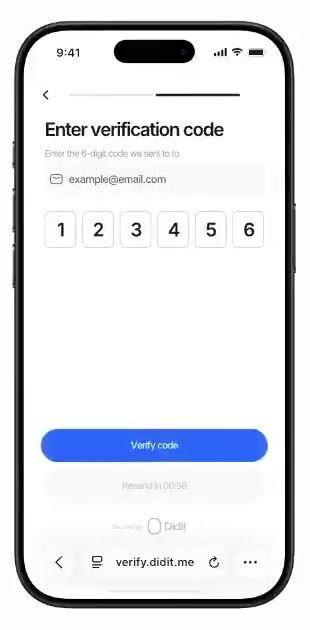
رمز من ستة أرقام. صلاحية لخمس دقائق. قالب مترجم.
استخدم شاشة الإدخال المستضافة لدينا أو نموذجك الخاص. محاولتان لكل جلسة، إعادتان إرسال لكل 24 ساعة، صلاحية خمس دقائق, كل حد يتم فرضه لك. يتم ترجمة القالب تلقائيًا إلى اللغة المفضلة للمستخدم.
05 · مكافحة إساءة الاستخدام
كشف شامل. تصفية حسب الدور. تكرارات عبر الجلسات.
تُظهر التحذيرات القابلة للتكوين كل نمط إساءة استخدام: مخترق، مؤقت، مكرر عبر الجلسات، أو مدرج في القائمة السوداء. يتم فرض رفضين تلقائيين (عدد كبير جدًا من المحاولات، عنوان غير قابل للتسليم) بغض النظر عن السياسة. يتم اكتشاف عناوين catch-all وعناوين الأدوار قبل إرسال الكود.
سياسة المخاطر5 تحذيرات · 3 إجراءات
EMAIL_CODE_ATTEMPTS_EXCEEDEDرفض تلقائي
EMAIL_IN_BLOCKLISTرفض تلقائي
DISPOSABLE_EMAIL_DETECTEDرفض
BREACHED_EMAIL_DETECTEDمراجعة
DUPLICATED_EMAILمراجعة
06 · التسعير
0.03 دولار لكل فحص. 500 مجانًا كل شهر. للأبد.
نفس سعر 0.03 دولار على سير العمل المستضاف وواجهة برمجة التطبيقات المستقلة. لا توجد رسوم منصة، ولا حد أدنى شهري، ولا مفاجآت في التكلفة الزائدة. اربط التحقق من البريد الإلكتروني قبل فحص "اعرف عميلك" (KYC) الكامل بقيمة 0.33 دولار لتصفية التسجيلات غير المرغوب فيها قبل أن تستهلك رصيدًا.
الفوترةعام · لكل فحص
لكل فحص
$0.03
المسار أ أو المسار ب
الطبقة المجانية
500/mo
دائمًا، بدون بطاقة
لا يوجد حد أدنىالدفع مقابل النجاح
يتسلسل إلى KYC+$0.33 حزمة
ادمج
نقطتا نهاية. نفس JSON. نفس السعر.
اختر سير العمل المستضاف عندما تريد منا التعامل مع إدخال الكود وربطه بسير عمل أوسع. اختر الـ API المستقل عندما تمتلك واجهة المستخدم. كلاهما يعيد نفس التقرير.
الصق الكتلة أدناه في Claude Code أو Cursor أو Codex أو Devin أو Aider أو Replit Agent. املأ بيانات نظامك. يقوم الوكيل بتوفير Didit، وإنشاء سير عمل التحقق من البريد الإلكتروني، وربط الـ webhook، وإطلاق الخدمة.
didit-integration-prompt.md
# Didit Email Verification — integrate in 5 minutes

You are integrating Didit's Email Verification module into <my_stack>.
Follow these steps exactly. Every URL, header, and enum value below is
canonical — do not paraphrase or "improve" them. The module covers:
syntax validation, MX (Mail Exchange) lookup, SMTP (Simple Mail Transfer
Protocol) deliverability probe, disposable-provider detection,
free-provider detection, breach exposure lookup (HaveIBeenPwned-style),
catch-all + role-based anti-abuse signals, OTP (one-time password)
confirmation, and a configurable risk policy that can chain straight
into a Know Your Customer (KYC) (know your customer) workflow.

## 1. Provision an account
- Sign up: https://business.didit.me (no credit card required).
- Or provision programmatically: POST https://apx.didit.me/auth/v2/programmatic/register/
  (returns an API key bound to the workspace + application).

## 2. Two integration paths — pick one

### Path A — Workflow Builder (hosted UI)
Best when you want Didit to host the OTP entry screen, localize the
email template, handle resend cool-downs, and chain Email Verification
into a wider KYC / KYB workflow.

1. Create a workflow that contains the EMAIL_VERIFICATION feature:
   POST https://verification.didit.me/v3/workflows/
   Authorization header:  x-api-key: <your-api-key>
   Body: workflow_label, features array with the single entry
         { feature: "EMAIL_VERIFICATION" }   (UPPERCASE — strict enum)
   Optional config: per-warning action overrides (Decline / Review /
   Approve) for BREACHED_EMAIL_DETECTED, DISPOSABLE_EMAIL_DETECTED,
   DUPLICATED_EMAIL, and EMAIL_IN_BLOCKLIST.

2. Create a verification session for an end user:
   POST https://verification.didit.me/v3/session/
   Body: workflow_id (from step 1), vendor_data (your own user id),
   optional contact_details.email (pre-fills the OTP step).
   Response: url (the hosted verification link) — redirect the user to it.

3. Listen for webhook callbacks (see "Webhooks" below).

### Path B — Standalone server-to-server API
Best when you already own the OTP UI and just want Didit to send and
validate the code plus return the risk signals.

Two endpoints, both authenticated with x-api-key:

POST https://verification.didit.me/v3/email/send/
Body (application/json):
  - email        (required, string — RFC 5322 address)
  - language     (optional, ISO 639-1 code — picks the email template)
  - vendor_data  (optional string, your user id)
Returns: { reference_id }

POST https://verification.didit.me/v3/email/check/
Body (application/json):
  - reference_id (required, from /email/send/)
  - code         (required, 6-digit string the user typed)
Returns: the full email-verification report (see Section 4).

Use the same vendor_data on retries so cross-session matches work.

## 3. Webhooks (Path A only — Path B returns synchronously)
- Register a webhook destination once via
  POST https://verification.didit.me/v3/webhook/destinations/
  Body: url, subscribed_events: ["session.verified",
                                  "session.review_started",
                                  "session.declined"]
- Response includes secret_shared_key — store it.
- Every webhook delivery carries an X-Signature-V2 header you MUST verify
  before trusting the payload.  HMAC-SHA256 verification MUST run against the raw body bytes (the raw payload as Didit sent it) BEFORE any JSON parsing — re-serialising the parsed body changes whitespace and key order, which invalidates the signature.Algorithm:
    1. sortKeys(payload) recursively
    2. shortenFloats (truncate trailing zeros after the decimal point)
    3. JSON.stringify the result
    4. HMAC-SHA256 with the secret_shared_key
    5. Hex-encode, compare to the X-Signature-V2 header.

Two module-level event types fire alongside the session events above:
- EMAIL_VERIFICATION_MESSAGE_SENT — OTP was dispatched
- EMAIL_VERIFICATION_DECLINED      — verification finished with a
                                     Declined status (caller should
                                     surface the warning to the user)

## 4. Reading the report (both paths return the same shape)
The email object includes:
- status: "Approved" | "Declined" | "In Review" | "Not Finished"
- email: the address that was verified
- is_breached: boolean — true when the address appears in known breaches
- breaches: array of { name, domain, logo_path, breach_date,
                       description, is_verified, data_classes,
                       breach_emails_count }
- is_disposable: boolean — true for throwaway providers
- is_undeliverable: boolean — true when MX + SMTP probe failed
- verification_attempts: number — OTP attempts used (max 2)
- verified_at: ISO 8601 timestamp
- matches: array of cross-session hits, each carrying session_id,
           session_number, vendor_data, verification_date, email,
           status, is_blocklisted
- warnings: Array<{ risk, additional_data, log_type,
                    short_description, long_description }>

Auto-decline risks (always enforced by Didit, not configurable):
- EMAIL_CODE_ATTEMPTS_EXCEEDED
- EMAIL_IN_BLOCKLIST
- UNDELIVERABLE_EMAIL_DETECTED

Configurable risks (action per workflow — Decline, Review, or Approve):
- BREACHED_EMAIL_DETECTED       (exposure / breach intelligence)
- DISPOSABLE_EMAIL_DETECTED     (temporary / throwaway provider)
- DUPLICATED_EMAIL              (cross-session match on another user)

Anti-abuse limits (enforced server-side):
- Code Entry Attempts: max 2 tries to type the right OTP
- Code Resend Requests: max 2 resends per 24 hours
- Code Validity: 5 minutes from delivery

## 5. Chaining Email Verification into a KYC flow
EMAIL_VERIFICATION is a regular feature inside the Workflow Builder, so
it composes with any of the 25+ other modules. The canonical patterns:

- Cheap pre-filter: gate KYC behind Email Verification so disposable +
  breached + undeliverable signups never burn a $0.33 KYC bundle. Use a
  conditional branch — if status is Declined on email, skip
  OCR + LIVENESS + FACE_MATCH.
- Compliance log: keep Email Verification in the flow even when KYC is
  the primary check, so the verified email is timestamped and signed
  alongside the ID Verification report for Anti-Money Laundering (AML) (anti-money laundering)
  recordkeeping.
- Step-up auth: rerun Email Verification at a sensitive action (large
  withdrawal, password reset) using the same workflow + vendor_data
  for closed-loop continuity.

## 6. Hard rules — do not change
- Base URL for /v3/* endpoints is verification.didit.me (NOT apx.didit.me).
- Feature enum is UPPERCASE: EMAIL_VERIFICATION, OCR,
  LIVENESS, FACE_MATCH, AML, IP_ANALYSIS, PHONE_VERIFICATION.
- Auth header is x-api-key (lowercase, hyphenated).
- Webhook signature header is X-Signature-V2 (NOT X-Signature).
- Always verify webhook signatures before trusting payload data.
- Status casing matches exactly: "Approved", "Declined", "In Review",
  "Not Finished" (title-cased, space-separated).

## 7. Pricing reference (public)
- Email Verification: $0.03 per check (Path A or Path B).
- Bundled inside a full KYC workflow: same $0.03 add-on — the $0.33
  full-KYC bundle does not include EMAIL_VERIFICATION by default.
- 500 free checks every month, forever, on every account.

## 8. Verify your integration
- Sandbox starts on signup at https://business.didit.me — no separate flag.
- Test emails: deterministic synthetic addresses returned in sandbox
  (Approved by default; trigger Declined by sending the canonical
  disposable / breached test addresses listed in the docs).
- Switch to live: flip the application's environment toggle in console.

When in doubt: https://docs.didit.me/core-technology/email-verification/overview
متوافق حسب التصميم
افتح دولة جديدة بنقرة واحدة. نحن نقوم بالعمل الشاق.
نحن نفتح الشركات التابعة المحلية، ونؤمن التراخيص، ونجري اختبارات الاختراق، ونحصل على الشهادات، ونتوافق مع كل لائحة جديدة. لنشر عمليات التحقق في بلد جديد، ما عليك سوى تفعيل مفتاح. أكثر من 220 دولة تعمل، يتم تدقيقها واختبار اختراقها كل ربع سنة, المزود الوحيد للهوية الذي وصفته حكومة دولة عضو في الاتحاد الأوروبي رسميًا بأنه أكثر أمانًا من التحقق الشخصي.